Guides
Best Pottery Classes in the UK: Finding Quality Studios Near You
What actually makes a pottery class good, and how to spot the ones worth your time and money
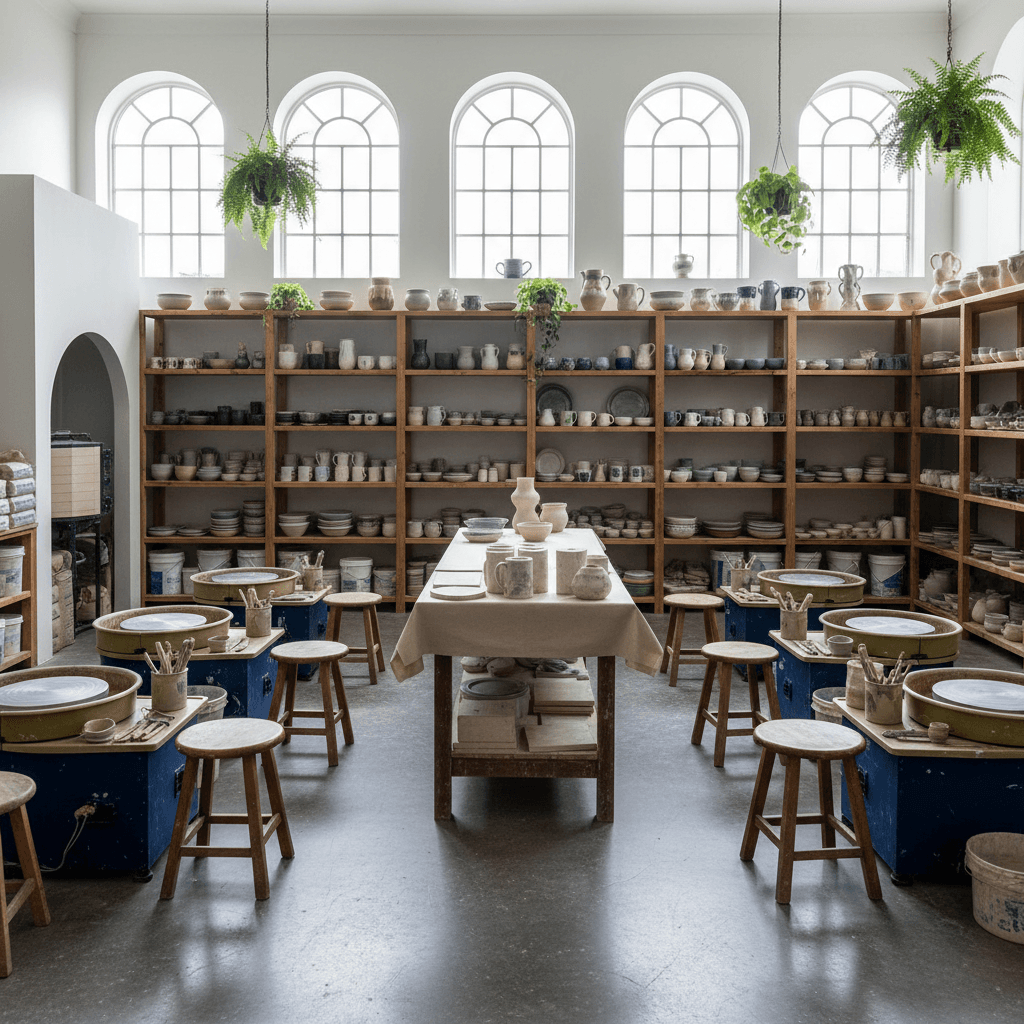
I have taken pottery classes at eight different UK studios. The quality varies wildly. Some were transformative—patient instructors, well-maintained equipment, supportive atmosphere. Others were frustrating wastes of money—overcrowded, broken wheels, instructors who barely helped.
The "best" pottery class depends on what you want: learning proper technique, trying something new, making gifts, or developing serious skills. But certain quality markers apply universally. Here is how to identify studios worth your time and money.
What actually makes a pottery class good
Student-to-teacher ratio matters most. Eight students per instructor is maximum for quality teaching. Six or fewer is ideal. More than ten? You will get minimal individual attention. Pottery requires hands-on correction. You cannot learn properly in overcrowded classes.
Equipment condition signals priorities. Well-maintained wheels that run smoothly, organized tools, clean workspaces—these show a studio invests in student experience. Dodgy equipment and messy spaces indicate corners being cut.
Firing included in price. Quality studios include bisque and glaze firing in course fees. Studios charging per-piece firing fees often nickel-and-dime students. Check what is included before booking.
Open studio access for course students. Best studios offer practice time between lessons at no extra cost or minimal hourly rates. Pottery skill develops through repetition. Studios that restrict access limit your learning.
Questions to ask before booking
Do not book based on Instagram alone. Pretty studios photograph well but might teach poorly. Ask these questions via email or phone:
- "What is your student-to-instructor ratio?" If they avoid answering or say "varies," that is a red flag. Good studios know and advertise this proudly.
- "What is included in the course price?" Clay? Tools? Firing? Glazing? How many finished pieces? Clear answers show professionalism.
- "Can I practice between classes?" Studios serious about teaching offer open studio time. Those focused on profit often do not.
- "What happens if I miss a session?" Good studios offer catch-ups or credits. Inflexible policies suggest money matters more than learning.
- "What experience do instructors have?" Professional potters teach differently than hobbyists. Both can be good, but know who is teaching you.
Browse pottery studios and check individual profiles for class sizes, pricing details, and instructor information before booking.
Red flags: when to skip a studio
Some warning signs are obvious once you know what to look for:
- No clear pricing: Studios that make you call or email for prices often overcharge. Transparent studios list prices publicly.
- Vague course descriptions: "Learn pottery" tells you nothing. Quality studios detail exactly what techniques you will learn each week.
- No instructor information: Who is teaching? What is their background? Studios hiding instructor credentials usually have inexperienced teachers.
- Aggressive upselling: Courses should include what you need to learn. Constantly pushing extra materials, tools, or firings suggests profit focus.
- Terrible reviews: One bad review? Maybe an anomaly. Multiple reviews mentioning overcrowding, broken equipment, or unhelpful instructors? Believe them.
Different class types for different goals
Match class type to your goals:
- Taster sessions (2-3 hours): Good for trying pottery before committing. Not enough time to actually learn. Expect fun experience, not serious skill development.
- Beginner courses (6-8 weeks): Best value for learning fundamentals properly. Weekly repetition builds muscle memory. Look for courses covering multiple techniques (wheel, hand building, glazing).
- Intensive workshops (full day/weekend): Great for focused learning on one technique. More depth than tasters but less repetition than courses. Best for people who prefer intensive learning.
- Ongoing membership/access: For people past beginner stage wanting regular practice. Pay monthly for studio access, wheels, kiln use. Suitable once you know what you are doing.
If serious about learning, commit to a 6-8 week course at a quality studio. One-off tasters are fun but do not build real skills.
Best UK cities for pottery classes
Studio quality varies by location. Larger cities have more options and competition, which drives up quality. Here is what I have found:
- London: Most options, highest prices (£250-£350 for 6-week courses). Quality varies wildly. East London (Hackney, Walthamstow) has strong pottery scene with good community studios.
- Bristol: Excellent pottery community. Multiple high-quality studios. Prices reasonable (£180-£280 for courses). Strong emphasis on sustainability and hand building.
- Edinburgh: Small but quality-focused pottery scene. Studios prioritize teaching over volume. Good instructor-to-student ratios common.
- Glasgow: Thriving arts scene with affordable pottery options. Community-focused studios and strong ceramics tradition. Good value compared to London.
- Manchester and Leeds: Growing pottery scenes with mix of community centers and private studios. Competitive pricing, improving quality.
- Brighton: Creative city with strong ceramics culture. Many professional potters teaching part-time. Higher quality instruction but prices reflect it.
Community studios vs private studios: pros and cons
Community pottery studios (often council-run or charity-based) charge less (£150-£220 for 6-week courses) but can feel institutional. Equipment may be older. Classes larger. However, they often have the most experienced instructors—professional potters teaching evenings. Great value if you prioritize learning over ambiance.
Private pottery studios charge more (£220-£350 for courses) but offer nicer spaces, newer equipment, and smaller classes. Better for people wanting a premium experience. However, instructors may be less experienced—enthusiastic potters rather than seasoned professionals. Good if ambiance and convenience matter.
Neither is inherently better. Some community studios are excellent. Some private studios are poor value. Judge each studio individually on the quality markers mentioned above, not on whether it is community or private.
Pottery questions we’re always asked
- How much should pottery classes cost in the UK?
- Beginner courses (6-8 weeks, 2 hours per week) cost £150-£350 depending on location and studio type. London is most expensive at £250-£350. Regional cities cost £150-£250. Community studios are cheaper than private studios. Price should include clay, tools, instruction, and firing. Taster sessions cost £40-£70 for 2-3 hours. Anything significantly outside these ranges warrants investigation.
- What is a good student-to-teacher ratio for pottery classes?
- Eight students per instructor is maximum for quality teaching. Six or fewer is ideal. Pottery requires hands-on guidance and individual correction that is impossible in large groups. Studios with ratios above 10:1 cannot provide proper instruction. Always ask about ratios before booking. Quality studios advertise small class sizes prominently.
- Should beginners take taster sessions or full courses?
- Take a full 6-8 week course if you want to actually learn pottery. Taster sessions are fun experiences but do not build real skills. Pottery requires repetition and muscle memory development. One session is not enough. Only choose tasters if you are genuinely unsure whether you will enjoy pottery and want to test it first. Otherwise, commit to a proper course.
- How do I know if a pottery instructor is good?
- Good instructors demonstrate techniques clearly, provide hands-on correction by guiding your hands, give individual attention, and create supportive atmospheres. They should have professional pottery experience or formal ceramics training. Check studio websites for instructor bios. Read reviews mentioning teaching quality specifically. Trial classes let you assess teaching style before committing to full courses.
- What should be included in pottery class fees?
- Course fees should include: all clay needed, use of tools and equipment, instruction, bisque and glaze firing of agreed number of pieces (usually 1-2 per session). Extra costs might include additional firings, premium glazes, or take-home clay. Studios charging per-piece firing on top of course fees are often poor value. Always check what is included before booking.
- Are online reviews of pottery studios reliable?
- Multiple consistent reviews are reliable indicators. One bad review could be an outlier. Several reviews mentioning the same issues (overcrowding, broken equipment, unhelpful instructors) are accurate warnings. Look for detailed reviews describing specific experiences rather than generic praise. Check multiple platforms (Google, Facebook, Trustpilot). Studios with no reviews or only glowing reviews warrant skepticism.